

Water is essential for nearly every physiological process in the human body, and its presence directly influences how cells produce energy and maintain stability. Since the body is largely water, even small fluctuations in hydration levels can affect how efficiently systems function. Blood circulation, nutrient transport, and temperature regulation all depend on adequate fluid balance. When hydration levels drop, the body must work harder to maintain normal function, which can reduce overall efficiency. This underlying dependence on water explains why hydration is closely linked to both physical energy and mental performance throughout the day.
How Hydration Supports Energy Production
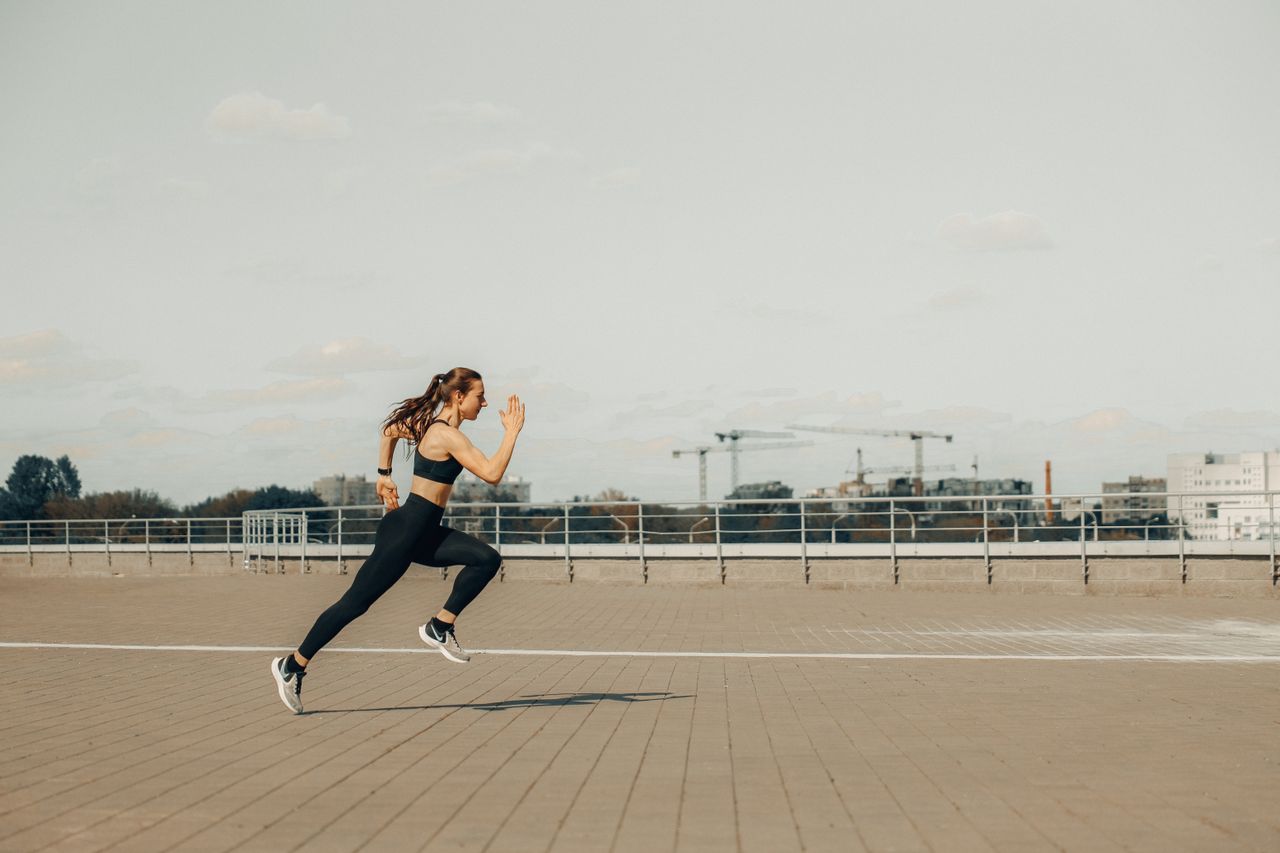
Energy production in the body relies on the effective transport of nutrients and oxygen to cells, a process that is strongly influenced by hydration. When the body is well hydrated, blood volume remains stable, allowing the heart to pump oxygen and nutrients more efficiently. This supports cellular processes that convert food into usable energy. When dehydration occurs, blood becomes more concentrated, reducing circulation efficiency and increasing strain on the cardiovascular system. As a result, individuals often experience fatigue, reduced stamina, and slower physical response. Proper hydration, therefore, serves as a foundation for maintaining steady, sustained energy levels.
The Connection Between Hydration and Brain Function
The brain is highly sensitive to changes in hydration because it relies on fluid balance to maintain electrical signaling and cognitive processing. Even mild dehydration can affect concentration, memory, and decision-making. When water levels drop, the brain may temporarily reduce efficiency in transmitting signals between neurons, which can slow down mental clarity. This can lead to difficulties in focusing on tasks or processing information quickly. Hydration also supports the production of neurotransmitters, which play a key role in mood regulation and cognitive performance. Maintaining proper fluid levels helps ensure that brain function remains stable and responsive.
How Dehydration Affects Mood and Mental Fatigue
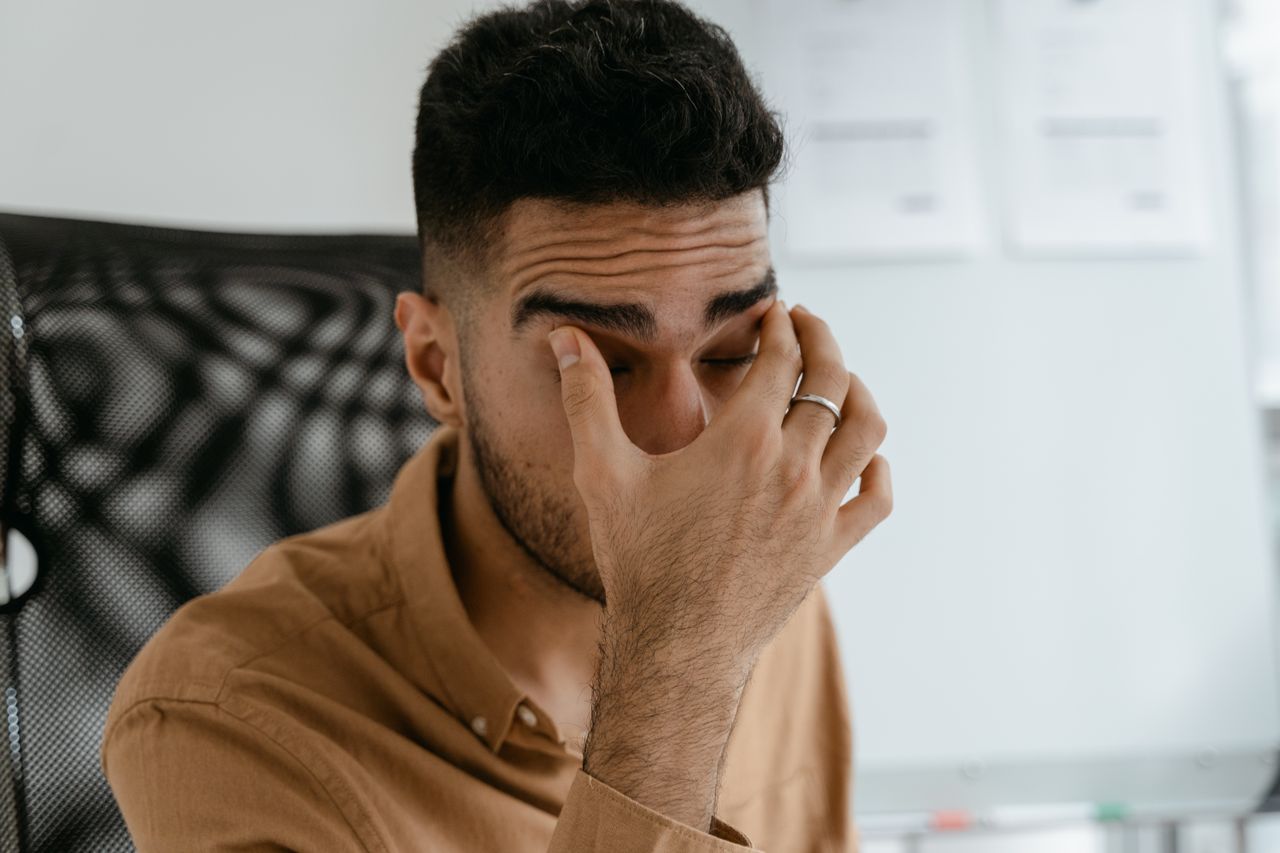
Dehydration not only influences physical energy but also has a noticeable impact on mood and mental fatigue. When the body lacks sufficient water, stress hormones may increase, leading to irritability or difficulty concentrating. Mental fatigue often develops more quickly when hydration is low because the brain must work harder to perform routine cognitive tasks. This increased effort can create a feeling of sluggishness or reduced motivation. Over time, inadequate hydration can amplify the perception of tiredness even when physical activity levels remain unchanged. This connection highlights the importance of consistent water intake for emotional balance and mental endurance.
Daily Hydration Patterns and Cognitive Consistency
Hydration is most effective when maintained consistently throughout the day rather than consumed in large amounts at irregular intervals. The body continuously loses water through breathing, sweating, and digestion, so fluid levels must be replenished regularly to maintain stability. When hydration is steady, cognitive performance tends to remain more consistent, supporting better focus and productivity across different tasks. Irregular hydration patterns, on the other hand, can lead to fluctuations in energy and mental clarity. Establishing a balanced intake throughout daily routines helps the body and brain function more predictably and efficiently.
Daily hydration plays a fundamental role in maintaining both physical energy and brain function. Water supports essential processes such as circulation, nutrient delivery, and neural communication, all of which contribute to overall performance. When hydration levels are adequate, the body operates more efficiently, and the brain maintains clearer cognitive function. When they are not, fatigue, reduced focus, and slower mental processing can occur. Understanding the connection between hydration and daily performance underscores the importance of maintaining consistent fluid intake for overall health and well-being.…
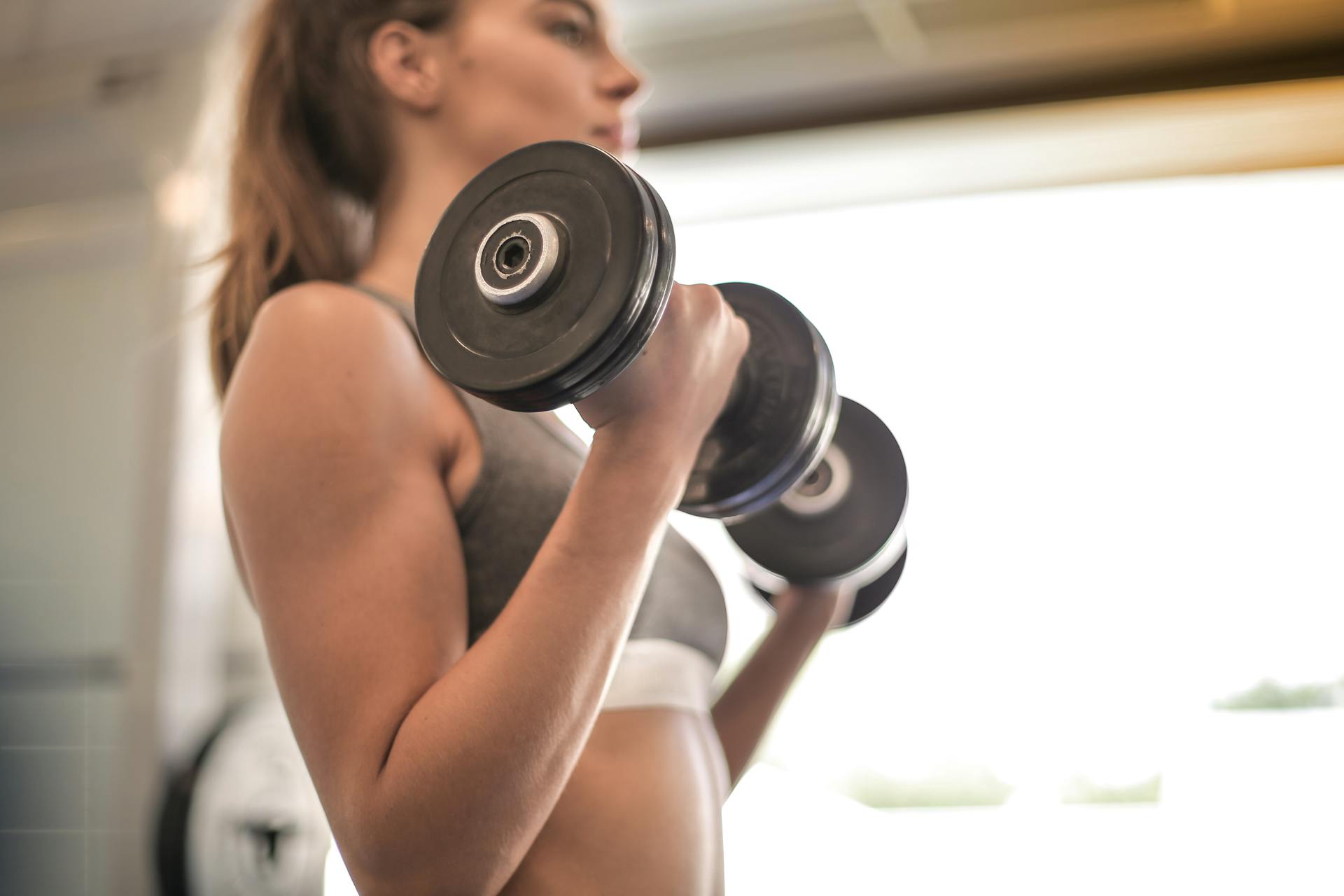
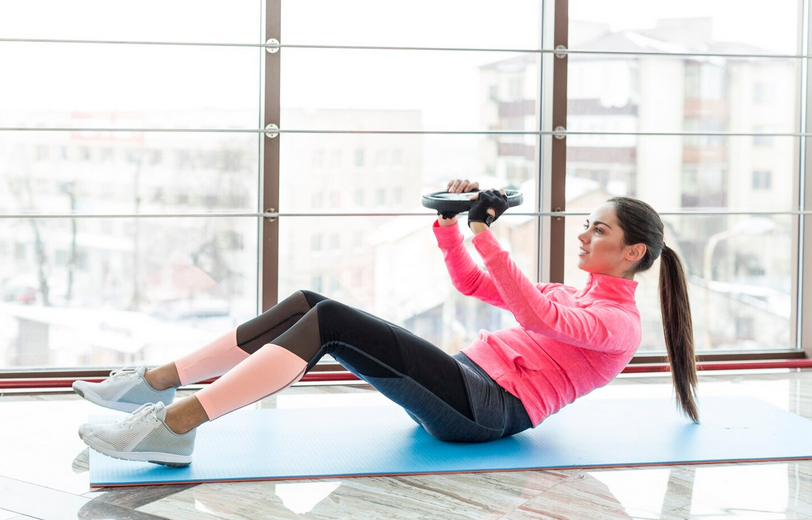

 Known for their lightweight, portable, and incredibly versatile, you can easily stash resistance bands in a drawer or take them on the go. These bands come in various resistance levels, making it simple to adjust your workout intensity. From squats to shoulder presses, they add an extra challenge to traditional exercises without needing bulky weights. Not only do they help build strength, but resistance bands also improve flexibility and mobility. Incorporating stretching routines with these bands can enhance your overall performance.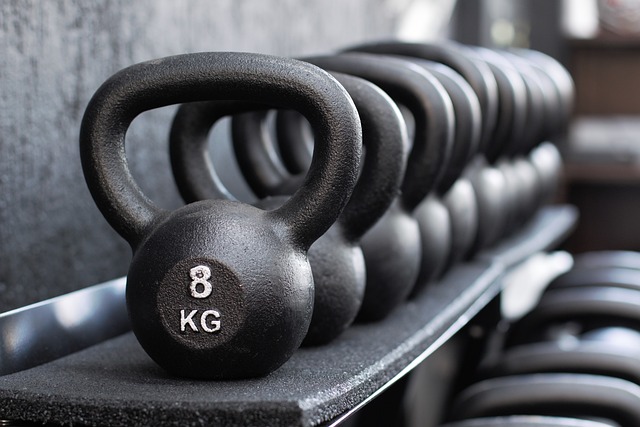
 The stability ball is more than just a colorful piece of equipment. It transforms any workout into a fun challenge. Its round shape engages your core muscles like no other. Using the stability ball can improve balance and coordination. Just sitting on it while you work or watch TV activates stabilizer muscles, giving you a sneak peek into functional fitness without even breaking a sweat. From squats to planks, this versatile tool takes traditional movements to another level. You’ll feel each rep targets those hard-to-reach areas.
 Selective Androgen Receptor Modulators, or SARMs, are a class of compounds designed to target specific androgen receptors in the body. Unlike traditional anabolic steroids, which affect multiple tissues, SARMs are more selective in their actions. They were initially developed for therapeutic purposes, such as treating muscle-wasting conditions and osteoporosis. However, their potential for enhancing muscle building has piqued the interest of athletes and fitness enthusiasts.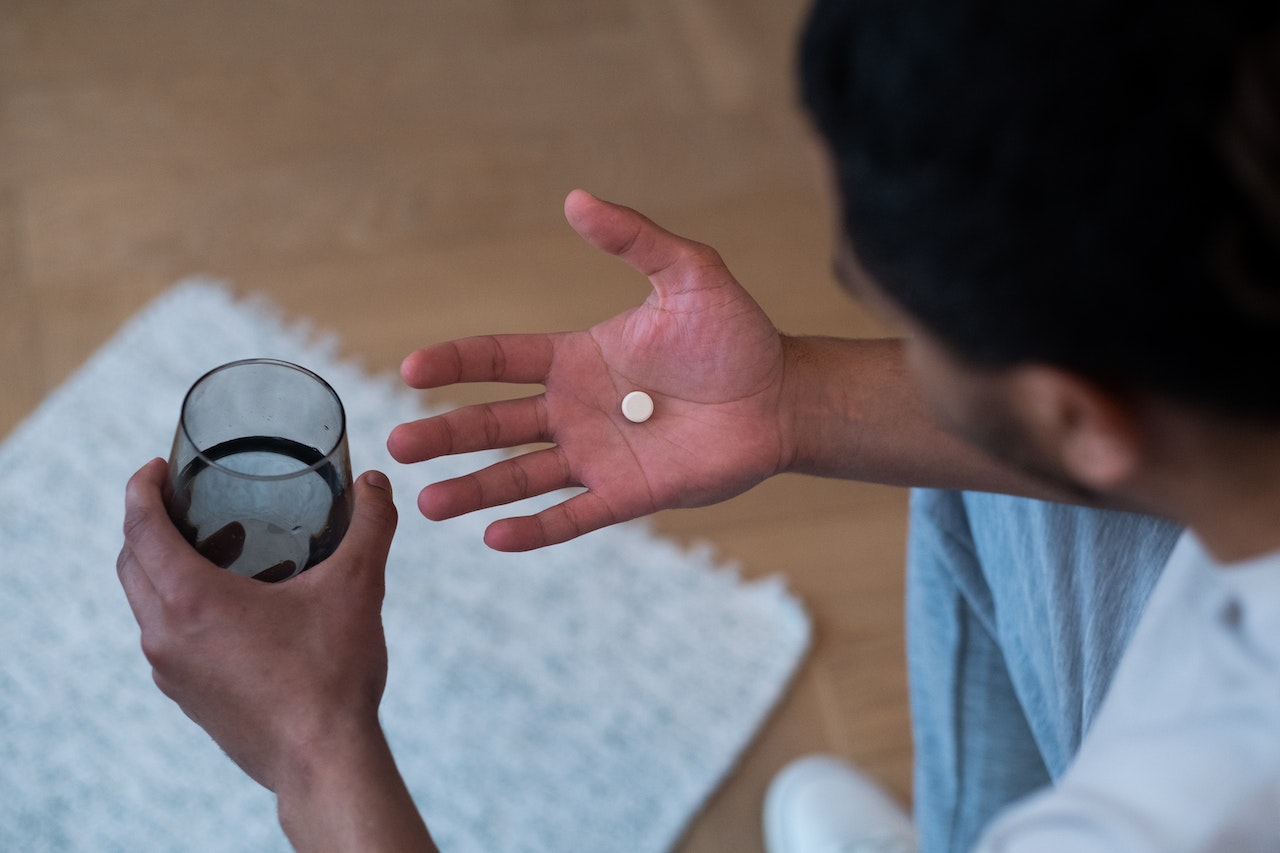


 Did you know that many studies concluded that women are more likely to develop dementia and Alzheimer’s disease than men? As women get older, they should take the time to focus on their mental health. It’s beneficial to stay active and engaged in life, as well as to remain socially connected. On top of that, it’s vital for women of all ages to get adequate sleep and practice healthy habits such as eating nutritious meals and getting regular exercise. So what’s the takeaway message? Women need to be aware of their health and engage in preventive behaviors. Regular screenings and check-ups can help diagnose any serious illnesses in the early stages while maintaining a healthy lifestyle can help prevent them from developing in the first place. So make sure you take the time to focus on your health so that you can keep yourself and everyone else around you healthy and happy.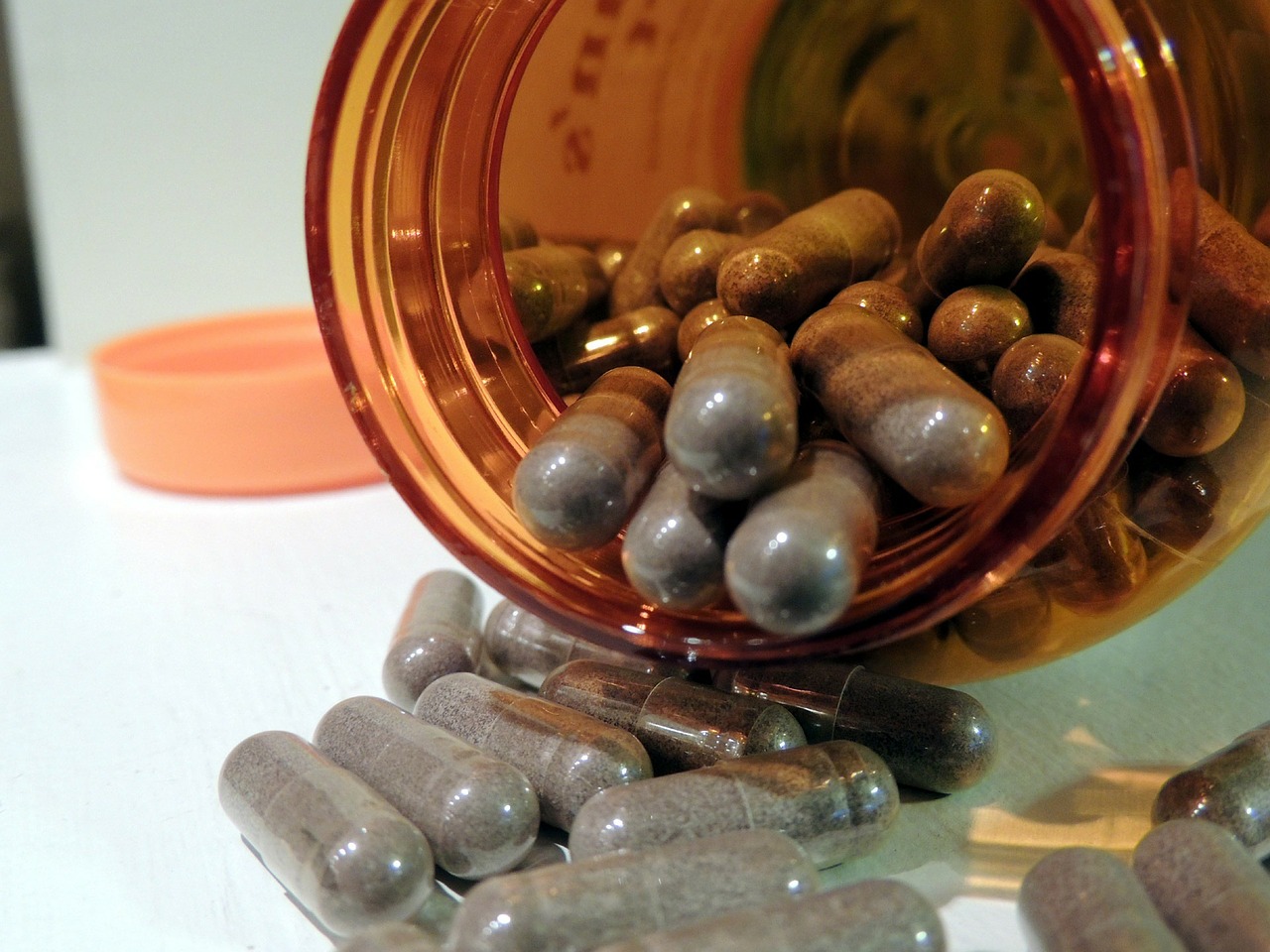

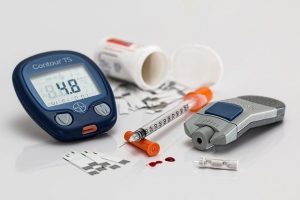 If you are worried about developing severe health conditions like diabetes, obesity, or heart disease, then herbal supplements may be something that you want to consider. Herbal supplements can help protect your body from chronic diseases naturally. This is because many of the herbs used in these supplements contain anti-inflammatory and antioxidant properties.
 The first thing to pack when you are traveling with children is a first aid kit. You don’t want your child’s worst day to be while far away from home, so having the necessary items can help alleviate stress and concern. However, if you start packing for every possibility possible, it will weigh down on you more than anything else during the trip. What you need to pack will depend on the age of your children and where you are going. For example, if it is a long car trip involving crossing into Canada or Mexico, consider adding some Advil liquid gels for pain relief as soon as they reach twelve years old.
 With the world still facing the Coronavirus pandemic, ensuring your children are up to date on their vaccinations will be important. If you plan on traveling outside of the United States, make sure that your child’s immunizations are within their recommended timeframe. The CDC recommends that all children receive booster shots before international travel at age 11 or 12 for diphtheria-tetanus-pertussis (DTaP), measles-mumps-rubella (MMR) varicella, and polio. Your children may not be allowed on-board their flight or into the destination country if you cannot provide proof of the necessary vaccinations to a foreign government agency.
 It will be best if you can keep your child entertained during the flight. This is not only for their comfort but also for yours. You do not want them to distract other passengers or disturb those around you with loud noises and crying fits. Bring snacks that they enjoy eating if there is a long wait at an airport before boarding, as well as books/magazines/toys. If your child is old enough to have a tablet or other electronic device, you can download age-appropriate movies and TV shows for them. You can also load educational apps on their electronic device, but remember that it is not recommended to let them play with these during takeoff or landing.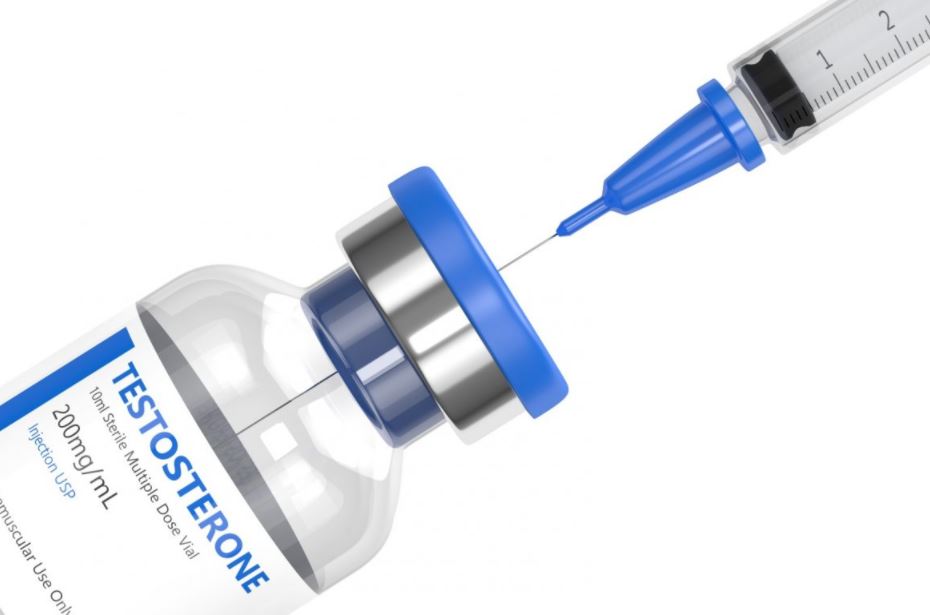
 also secreted by the ovaries in women but to a low degree (7 to 8 times less than in men). In men, the peak of testosterone is between 20 and 30 years, then decreases in stages with age. Several factors may negatively influence testosterone levels: stress, low-fat diet, intense training.
 your testosterone levels naturally through diet, sleep, physical exercise, and reducing stress. Stress increases the level of cortisol, a hormone that is very harmful to testosterone levels. Indeed, the role of cortisol is, among other things, to curb libido and aggressiveness, unlike testosterone, which interferes with training. Therefore, try to control your stress level, relax, decompress.…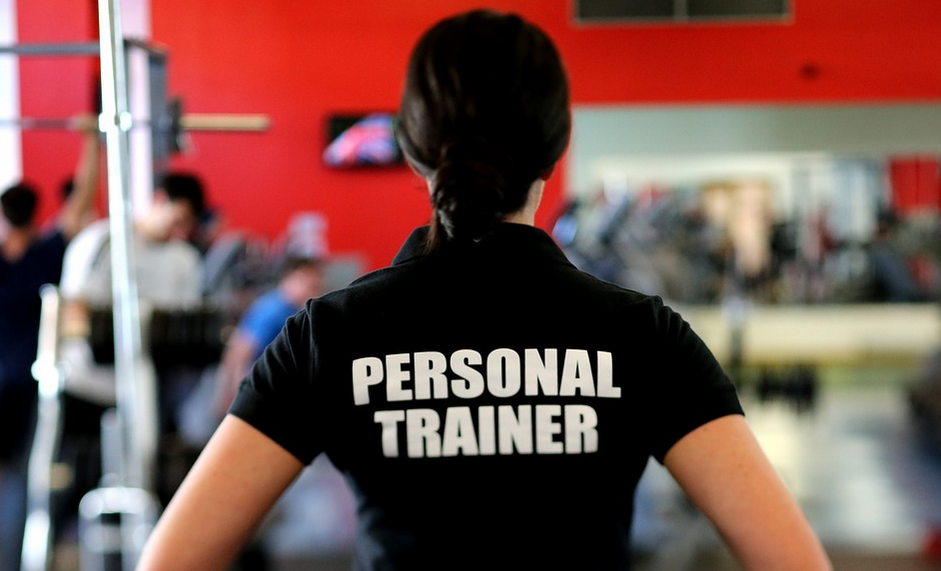
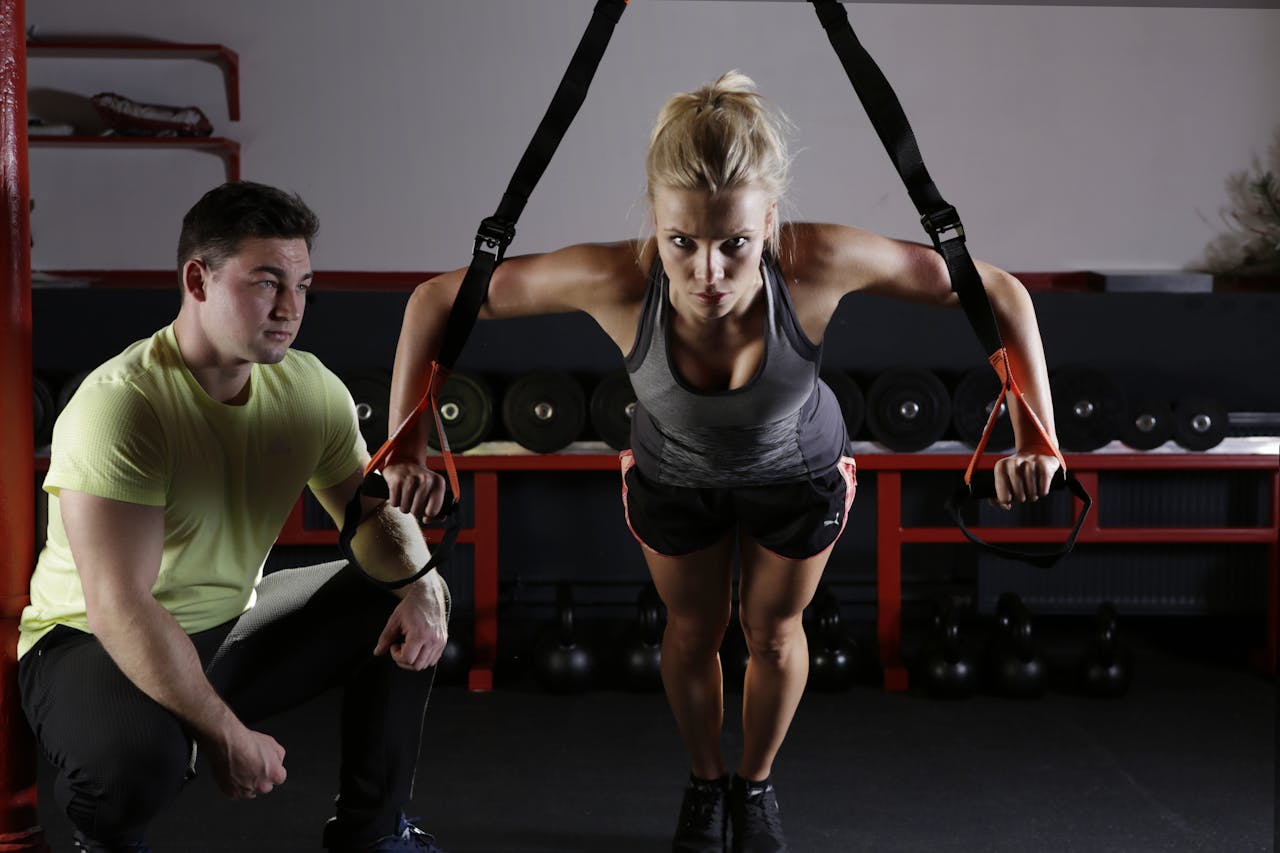
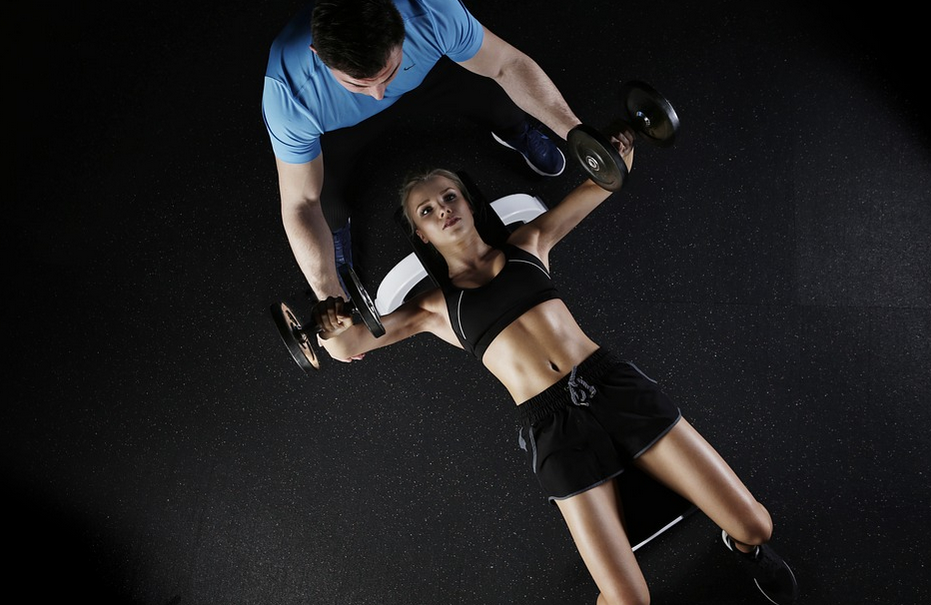 If a trainer has in the business for a long time, he has the required expertise. Experienced personal trainers who have been in the industry for a long time have perfected their skills and help you get the best out of every workout. It may be frustrating to work with a trainer who has just begun his career. Therefore, selecting a personal trainer who has years of work in the industry will give you all the tricks he has acquired to help you scale to greater height in your fitness journey.
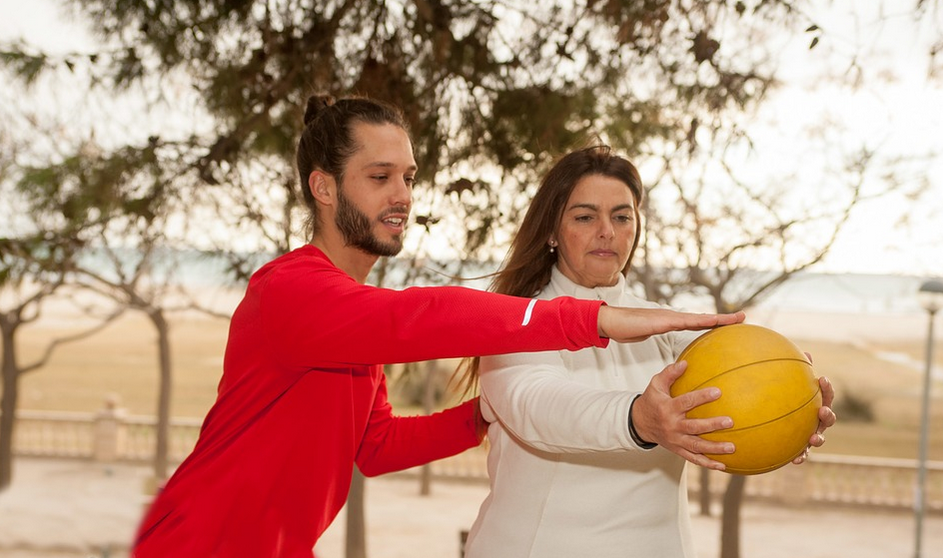 Being consistent is a great idea when working with a personal trainer. It is essential to consider asking the trainer about his schedule and if he has many clients. Talking with your trainer will help you know if he books all the clients simultaneously and if the schedule changes after a period. women should ask their trainers if they need to book appointments earlier and know the trainers cancellation policy that will help them prepare their training schedule.
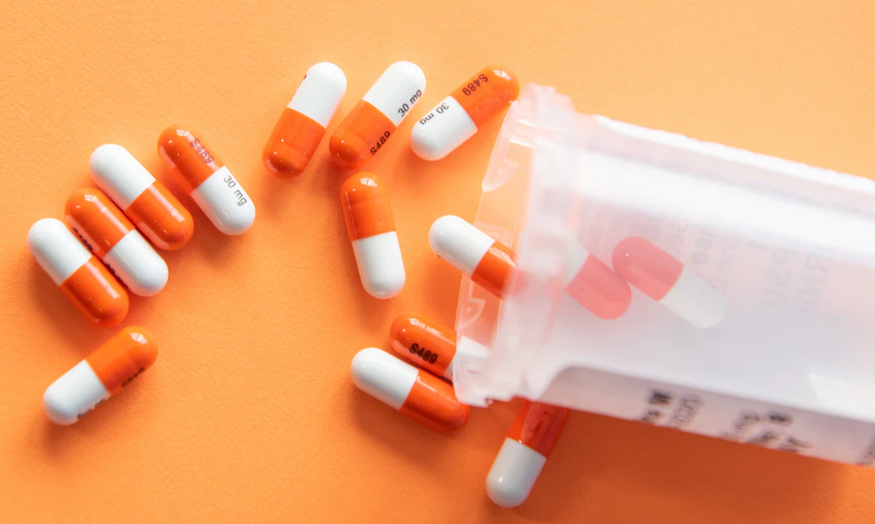 It is always wise to consider your health before introducing any new substance to the body. Most people do not take caution when using bodybuilding supplements. Most are attracted to the benefits that such supplements have and do not read side effects.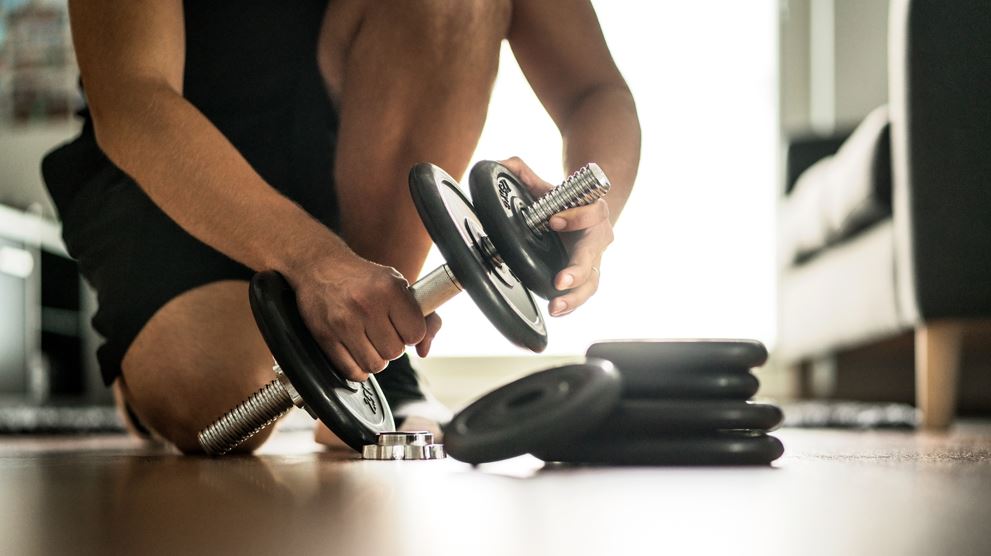
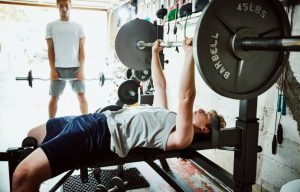 where hours are tight, often far from home because of the health crisis, training at home is an excellent alternative. Thanks to this solution, you will save time and money (in gasoline or the gym). You will spend a lot less time in transit and have more time for yourself! A little tip for finding motivation? Save that money and use it to reward yourself after completing a goal you set. After saving time and money, you will enjoy peace of mind. No one will be there to judge you, and that’s great!
 the line, lose weight, build muscle, or keep in shape, certain services offer you tailor-made programs according to your place of residence, your goals but also your constraints. The advantage? Compared to classic sports clubs, where the hours are limited and often far from home but mainly because of a health crisis, home sports coaching is an excellent alternative.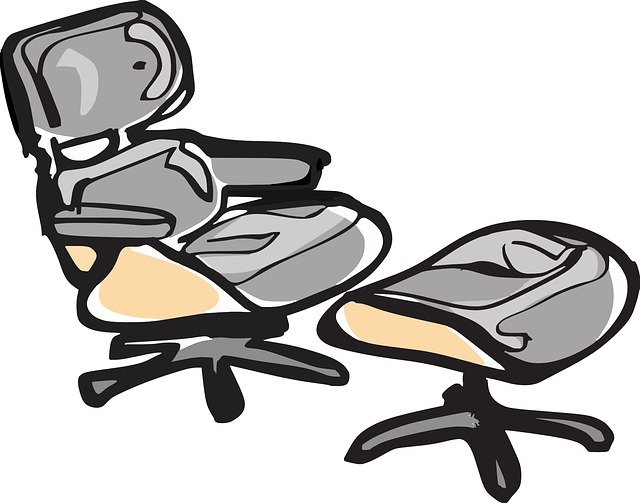
 But with massage therapists around, why do you still need to buy a massage chair? While there are things that a massage chair cannot provide you when compared to a massage therapist, there are advantages of massage chair use that can also be derived from a massage therapist. It also improves blood flow, relieves pain and stress, and can also enhance your immune system. If you are not contented with these reasons why you should have a massage chair in your home, the following may let you know that there are some situations when a massage chair is better than a massage therapist.
 You can easily compare the effects of white borneo kratom to that of green kratom. Therefore, its effects are slightly relaxing and more sedative but still retain focus and energy properties. That explains why it is considered to be an incredibly flexible strain that can be improved depending on the dose you take. You will find to have a great combination of improved focus and energy alongside a sense of calmness.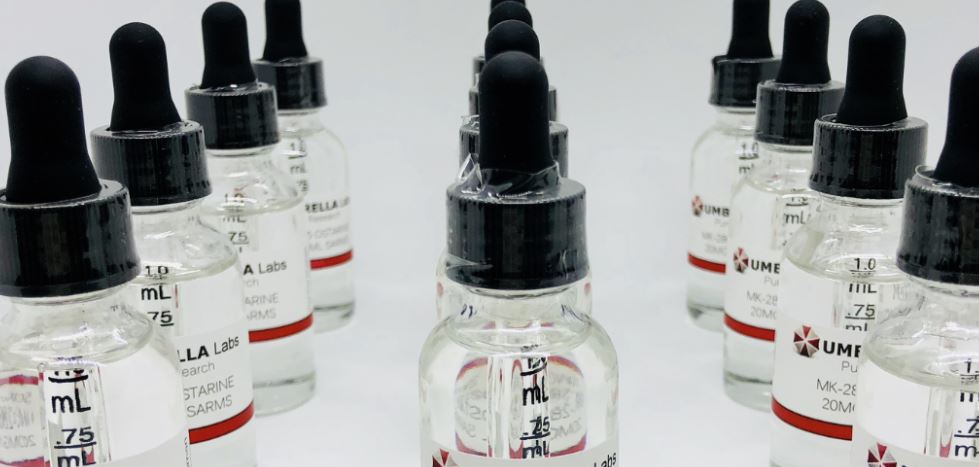
 human use. There are many drugs that fall under the category of SARMs. Examples include ligandrol, ostarine, andarine, and testolone. Those who want to increase muscle mass can opt for these drugs. There are several reasons why SARMs are considered the best for bulking. They include:
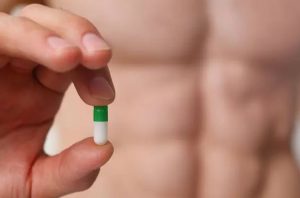 mass. Ligandrol is considered one of the best SARMs supplement that speeds up weight loss. It does this by boosting metabolism in your body, which makes you use up much of the energy from stored fats. How about you try SARMs to bulk fast.…
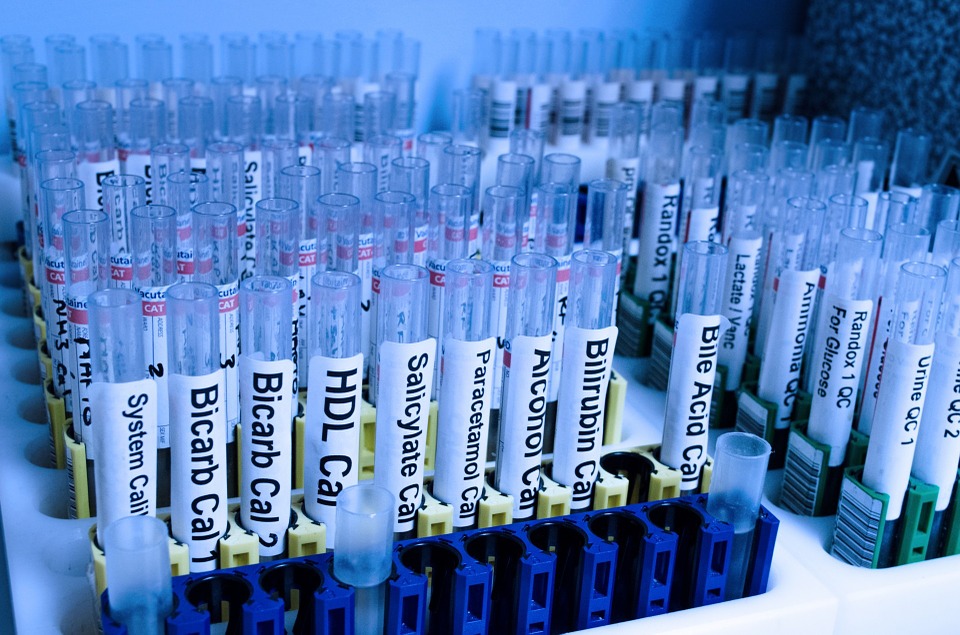 These days, several employers are requesting that existing, as well as new staff members, are subjected to a urine drug test. Most workplaces requiring high safety levels are the most common victims of drug screens.
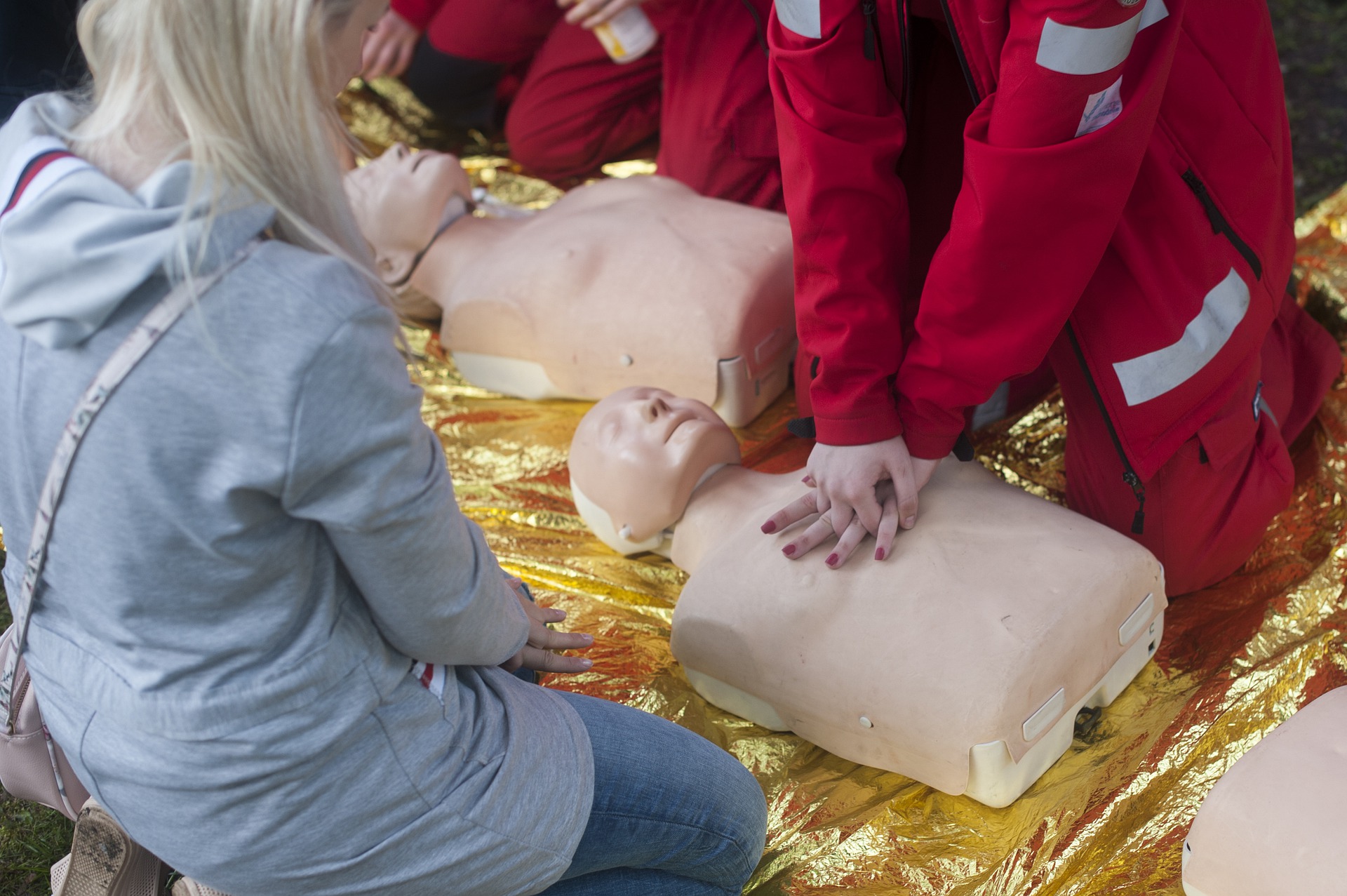
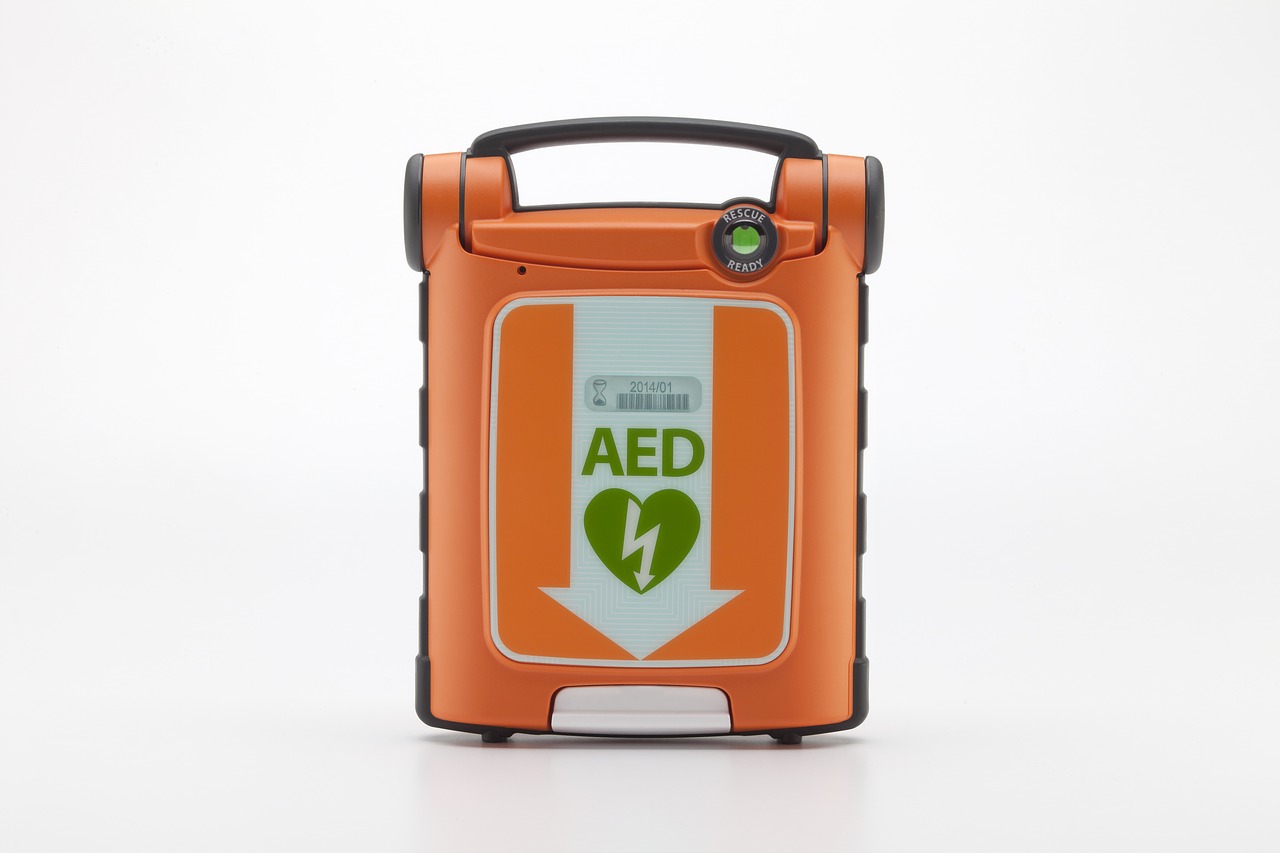 CPR or cardiopulmonary resuscitation, the use of AED or automated external defibrillator and the removal of obstruction of the airways are three important aspects of BLS. When they are administered before professional medical help arrives, instant death can be prevented.
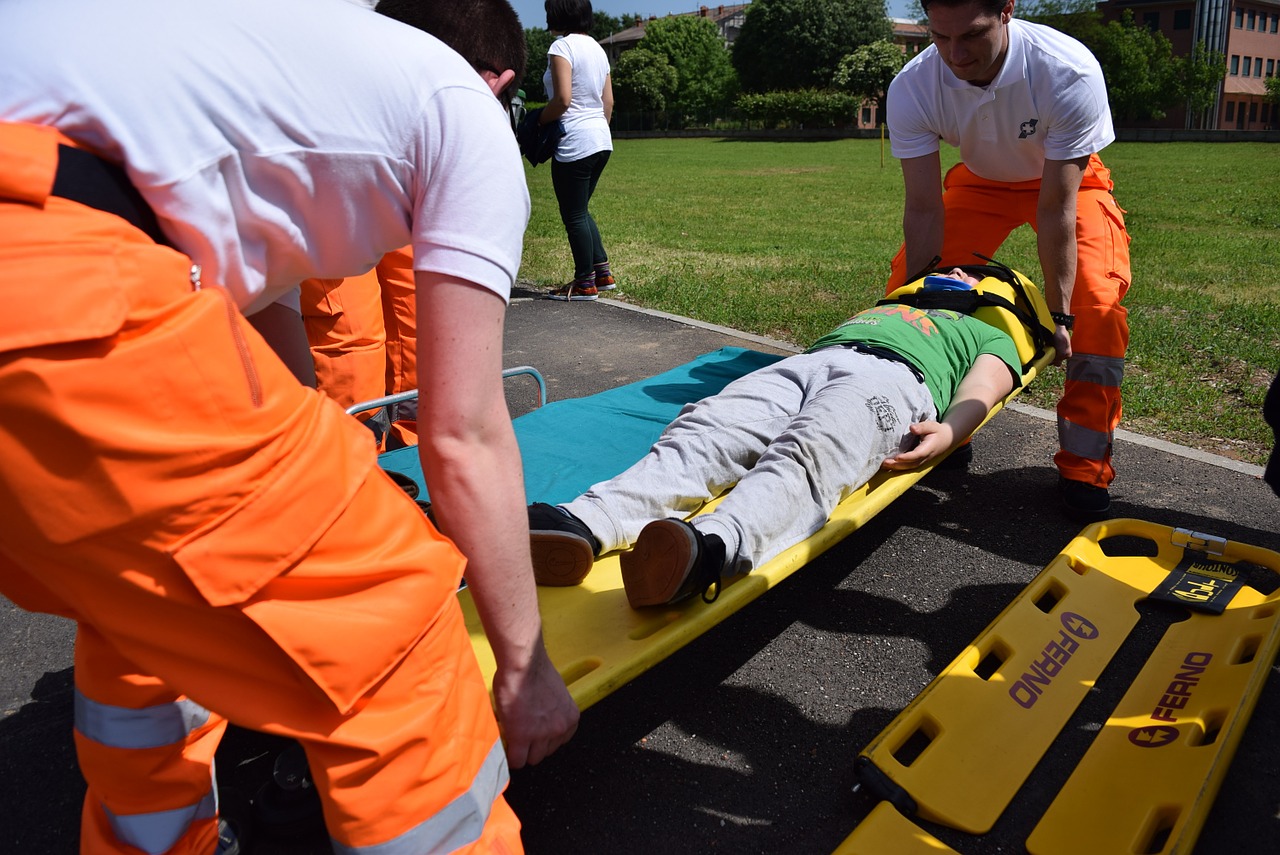 Some professionals will be better off when they learn basic life support skills and techniques by heart. The jobs of policemen, firefighters, teachers, social workers, community organizers, and medical professionals involve the care for other people. They will be more effective in their professions should they know how to administer BLS to the people they are dealing with when needed.
 Digitization has disrupted vital sectors of the economy, including the healthcare industries. Medical experts and digital experts are often working and consulting with each other as they explore best practices aimed at enhancing service delivery in the healthcare industry.
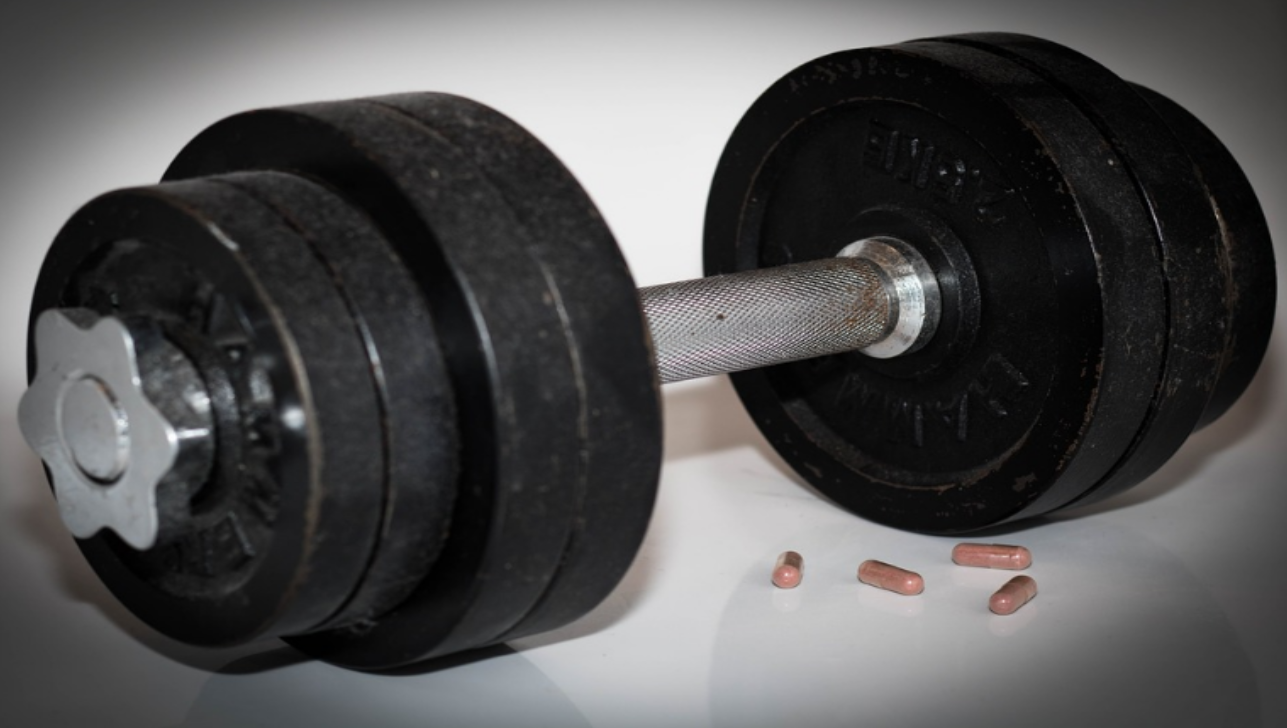
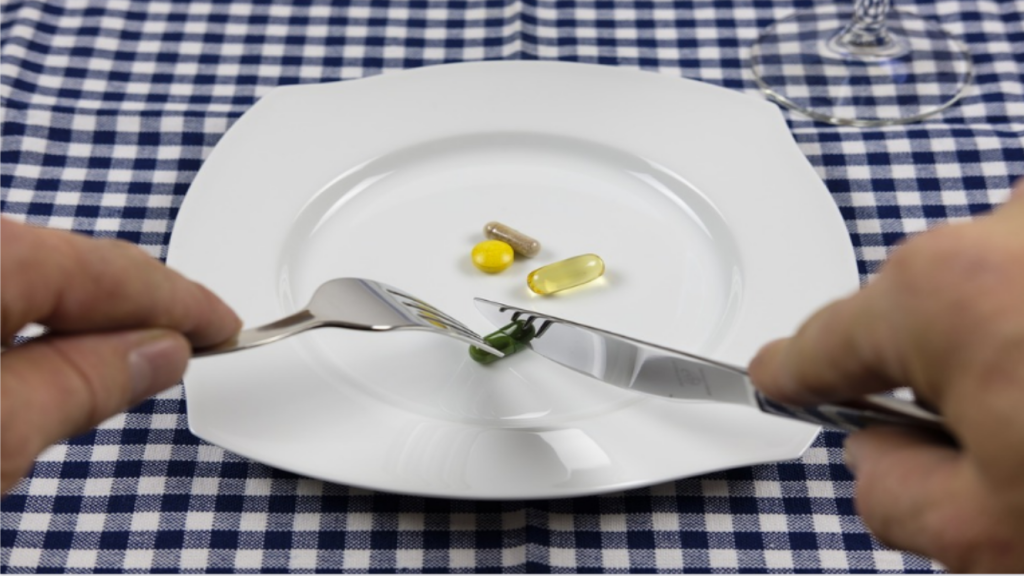
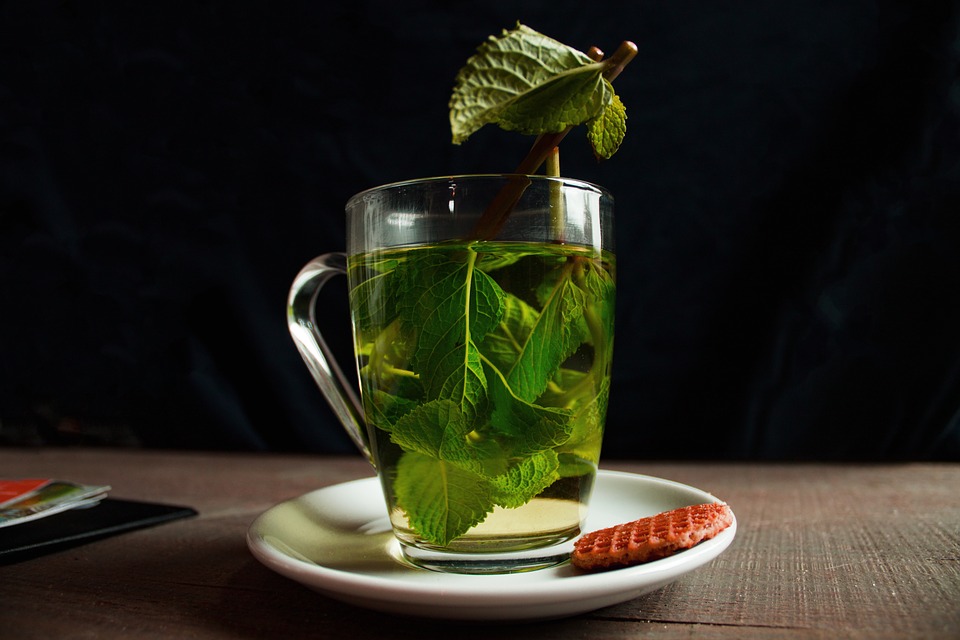
 Oxidative cell damage can cause cancer. Cancer is caused by uncontrolled replication of defective cells. Green tea, on the other hand, has powerful antioxidants that reduce the extent of oxidative stress on body cells. By doing this, it significantly reduces your chances of developing some common types of cancers such as breast cancer, prostate cancer, and colorectal cancers.
 How Reiki Works
 African Shea butter is quite helpful in healing eczema and wounds, fighting wrinkles, removing stretch marks, and fading acne scars. Thus, it is a multipurpose healing butter that can be used all over the body to heal many ailments. Ensure you are only using unrefined Shea butter as it is the one that maintains all of its healthy ingredients. You should note that Shea butter is an ivory color. Avoid sellers selling yellow or white butter terming it as original African Shea butter.
 When your mouth is dry, germs, bacteria, and food particles are not washed away. They will adhere to the gums and teeth. When such objects remain in your mouth, they start decomposing and breaking down. This is when they start releasing acid and unpleasant odors that result in bad breath and destroy the tooth enamel. As a result, you will start suffering from dental problems such as tooth sensitivity, gum disease, and cavities.